
Most people have heard of minimalism, but “maximalism” is a newer term that you might not be familiar with. While minimalism is about creating a calm, clutter-free environment, maximalism embraces abundance, bold colors, and layered patterns.
This article focuses on minimalism; in my next column, I’ll discuss maximalism in more detail.
Minimalism is a good fit for you if:
You feel overwhelmed by bright colors and busy patterns.
You want to simplify your life.
You prefer modern style over a traditional look.
Neighborhood Spotlight
Park Cities
Where the Park Cities Stay Connected.
Minimalist interior design is inspired by mid-century modern architecture and shares a lot of its principles, like clean lines, monochromatic color schemes, and geometric shapes.
Ludwig Mies van der Rohe, a midcentury modern architect, is the person who popularized the phrase, “less is more.”
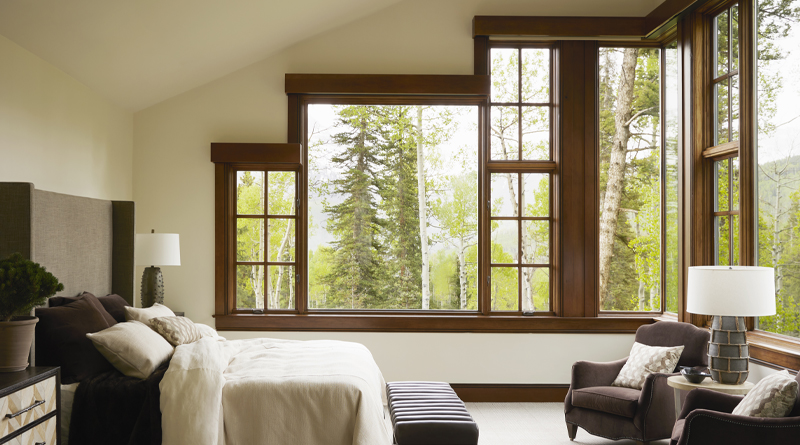
Open floor plans are the best layout for minimalist homes because they maximize the amount of open space. Letting in as much natural light as possible will also contribute to the open and airy feel.
The color schemes in minimalist spaces are typically in shades of white, gray, or beige, while bright colors and black are occasionally used as accents. Art in a minimalist space will usually be modern or contemporary, such as abstract watercolors, sculptures, or pop art.
The first step to mastering minimalism is to pare down your possessions. If you need to buy anything new, go for timeless or classic items rather than trendy ones. Remember that minimalism is about being purposeful with what you bring into your home, not following strict rules or trying to match the minimalist rooms you see online. It’s OK to add a little more color and personality to the room.
One of the pitfalls of minimalist design is that it can end up looking cold and stark. If your home doesn’t feel welcoming, try adding more organic materials like wood, or using warm neutral colors like brown, beige, or a warm shade of gray. Soft fabrics and textures can also help a minimalist room feel cozy.
Do you admire minimalist homes, but have trouble letting go of your possessions? Do you worry that the final result will just look empty?
By either working with a designer, or doing a lot of your own research, you can create a minimalist home that showcases the true beauty in simplicity.
Margaret Chambers, a registered interior designer (RID) and American Society of Interior Designers (ASID) member, leads Chambers Interiors and Associates. Her colleague Caitlin Crowley helped edit this column. Visit chambersinteriors.com/blog for more design advice.