By Noah Santoyo
A few miles away from Highland Park, the wealthiest town in Texas, students come home hungry every day. They open the fridge to find only a few slices of bread and a half-empty carton of milk. In the shadow of mansions and luxury cars, children are struggling to find food to eat.
One hundred thousand of the roughly 140,000 students in Dallas ISD face some form of food insecurity daily. I was one of them.
I believe that all low-income families should have assistance, so they are not food insecure. Now that benefits under the Supplemental Nutrition Assistance Program have been jeopardized, the reality of food insecurity cannot be ignored.
Food insecurity describes a household’s inability to provide enough food for every person to live an active and healthy life. This issue has a major impact on students, families, and communities.
Families have needed food assistance for decades. The Food Stamp Program began in 1939, becoming permanent with the Food Stamp Act of 1964. Families used actual food stamps to buy food until 2008, when the name was officially changed to the Supplemental Nutrition Assistance Program, or SNAP, and food stamps were phased out and replaced by benefits loaded on to an Electronic Benefit Transfer card.
Neighborhood Spotlight
Park Cities
Where the Park Cities Stay Connected.
For families who do not earn enough to cover the cost of living, even if both parents are working, SNAP helps families put something on the table, which is critically important for children.
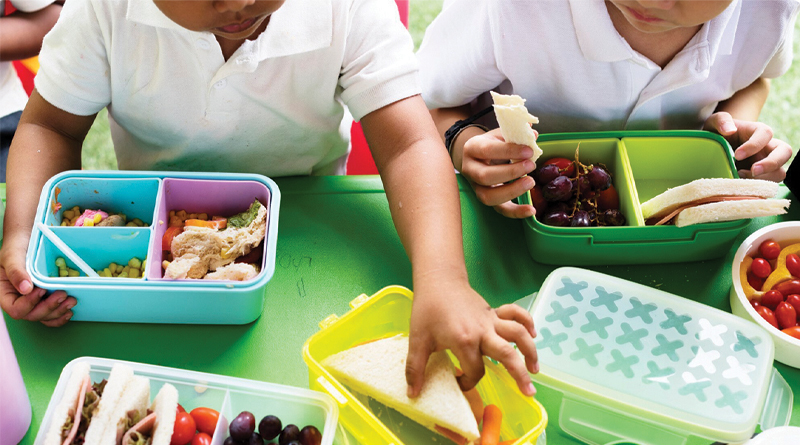
Hunger has an enormous impact on a child’s participation and success in school. Students who are hungry do not focus or learn as well, and are more likely to have to repeat a grade. Students who don’t know whether they have enough food at home experience embarrassment and stress.
SNAP reduces that stress and helps a student’s performance in the classroom. Students from households that have received SNAP assistance have higher test scores, better grades, improved attendance, and fewer disciplinary issues. They are more likely to graduate from college and have better employment outcomes as adults, amazing results for a program costing only 1.5% of the government’s total budget.
Most families don’t stay on the supplemental benefits for long, but instead participate in SNAP during short periods of temporary hardship. Others keep it for longer if they have a disability or financial hardship. Nearly 80% of households receiving SNAP include a child, elderly person, or person with a disability.
An argument against low-income families receiving SNAP is that it creates dependency and causes taxpayer costs to escalate. However, a family’s short time receiving benefits can turn those hardships around and create financial stability by providing regular meals for children and working parents.
Highland Park has the power to make a difference. This community can reduce the hardship experienced by its neighbors. Spend just a few hours volunteering at the North Texas Food Bank, host a food drive, or donate unused food that could fill someone else’s pantry. Most importantly, work to understand the causes of food insecurity and the impact of SNAP cuts. With SNAP diminished, families need our help more than ever. No act of kindness is ever too small. Highland Park can make sure no neighbor goes hungry.
Hunger shouldn’t be a daily struggle for any family in the United States, and especially any family within 10 miles of Highland Park. Providing food assistance isn’t just a handout; it’s an investment in health, opportunity, and the future of our communities. When families have enough to eat, children can thrive, parents can work without fear, and society benefits. We must act to ensure every family has the basic security of three meals a day.
Noah Santoyo is a junior at Highland Park High School. In his spare time, he does freelance sports photography.