Austin has a point in trying to keep things weird. When a city stops being itself, it risks shedding the character that set it apart.
The identity of our neighborhoods is rooted in shared experiences and is shaped by a sense of belonging.
Long before I had words for it, I felt the rhythm of a tight-knit community during summers with my grandmother in Germany.
She didn’t drive, and so our world effortlessly unfolded within a few walkable blocks: the bakery with its early morning hum, the fruit stands spilling into narrow alleys, and the ice cream shop we returned to again and again.
When I got my ears pierced at 13, there was nothing transactional about the experience. It was made personal by the longtime shop owner.
They weren’t errands. They were rituals.
On her visits to Texas, my grandmother insisted on sticking to neighborhood haunts. Memories were made over slices of pizza and frozen bellinis at Patrizio in Highland Park Village.
In the 1960s, my husband’s family purchased multiple strip centers across Texas — neighborhood-driven spaces where business owners stayed for years and learned to weather both good cycles and difficult ones. I remember being struck by the willingness to allow struggling tenants to remain for months without pressure to pay rent.
Decades later, as jewelers in those same shopping centers, his siblings witnessed a powerful pattern. Young men from a nearby Navy base who’d once come in to buy high school class rings would return to buy engagement rings. Although the location was no longer convenient, it was trusted.
That shared sense of place permeated the Preston Hollow neighborhood where my husband and I raised our family.
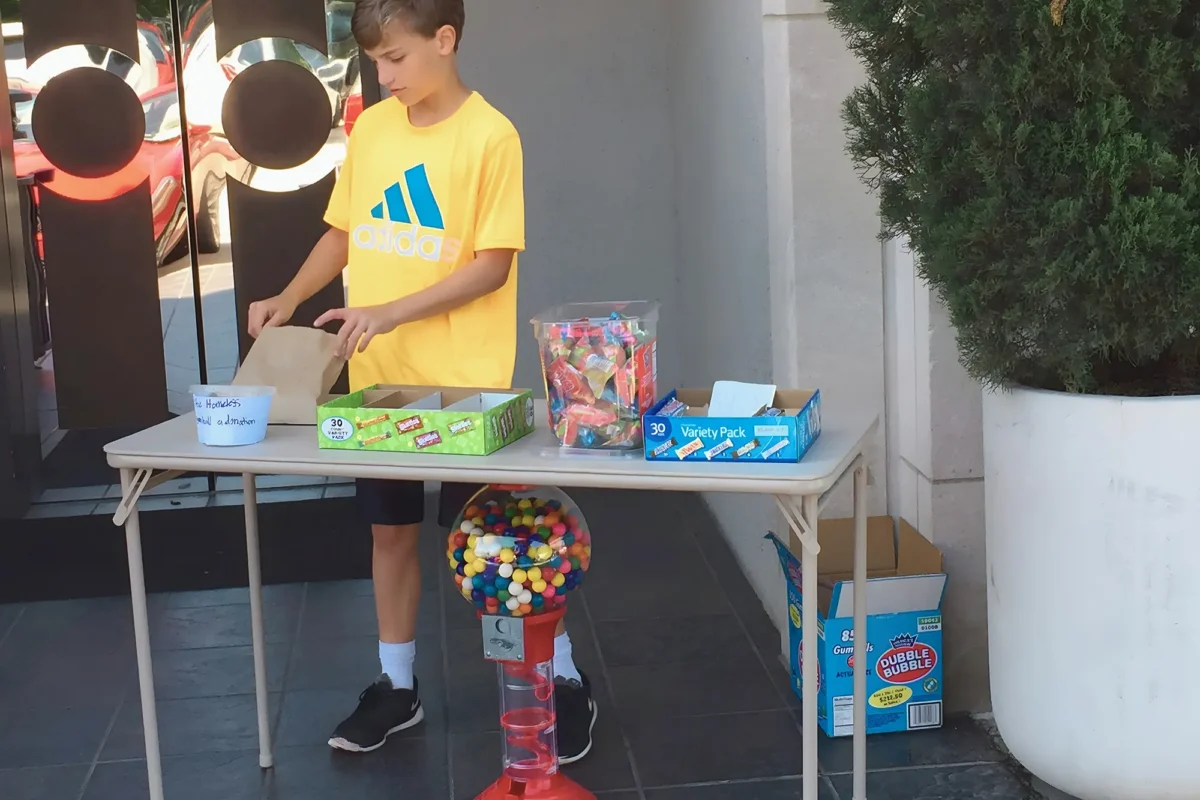
Saturday mornings included piano lessons at Park Cities School of Music, followed by breakfast at Angela’s Café. The owner of the multi-generational restaurant allowed my sons to set up their candy stand outside his storefront — an act of kindness that made them feel part of the neighborhood’s fabric.
I recently covered the evolution of Valley View Center and local developer Scott Beck’s forward-looking vision for the site. What stayed with me from those discussions wasn’t the redevelopment plan itself, but a memory my colleague LaQuita Johnson shared.
Years ago, when she was stepping into her role at People Newspapers, Beck took the time to talk with her about the importance of community engagement. It wasn’t a grand gesture, but the kind of sound advice that reflects a way of doing business that values people alongside progress.
In this month’s issue, we continue to explore commercial developments reshaping our neighborhoods.
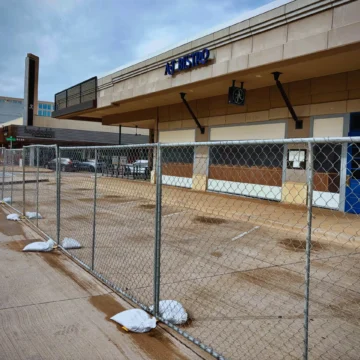
And while places like Wang’s Chinese Café — a modest, no-frills Preston Center staple — have given way to grander plans, it’s worth reflecting on the familiar spots where someone knows your name, asks about your family, remembers your order.
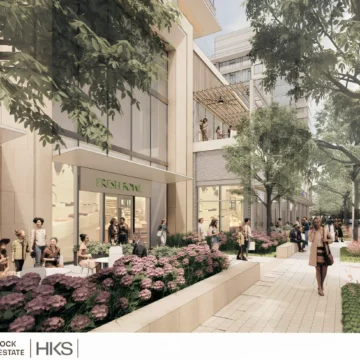
This is not an argument against development. Cities grow, and with growth comes energy and opportunity. Much of that change is necessary.
But progress doesn’t just build — it replaces.
What has long defined the character of our neighborhoods — small businesses and long-standing relationships — make up the fabric of our community.
They do not survive by accident. They survive because we choose them.
As projects in Preston Center, along Miracle Mile, and throughout our community move forward, the real question is not what we are making room for, but what we are quietly allowing to disappear.
Author