University Park voters will head to the polls on Nov. 3 to decide whether to raise the city’s tax rate to 22.0055 cents per $100 assessed valuation to fund investments in public safety and parking enforcement technology.
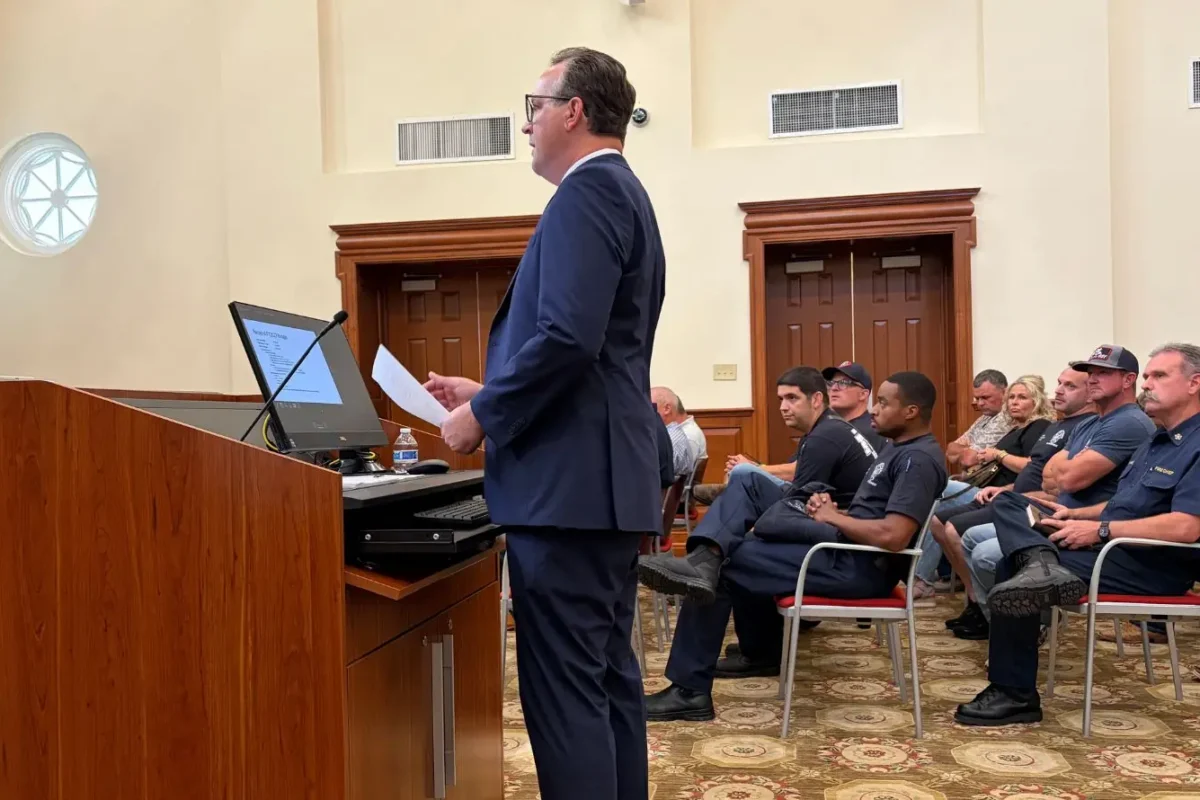
The proposed increase above the city’s base budget rate of 20.9534 cents per $100 assessed valuation would cost the owner of a home worth about $1.8 million — the median value of a home in University Park — $193 annually and raise an additional $1,459,476 for the city, director of finance Tom Tvardzik told the city council. The funds would be used to:
- Employ four additional patrol officers and purchase a patrol vehicle and equipment at a cost of $601,560.
- Employ two additional firefighters and purchase equipment at a cost of $263,400.
- Reduce the fire department’s pension vesting period from 20 to 10 years and enhance the retirement benefit formula at a cost of $300,286.
- Invest in a parking-enforcement vehicle and equipment, two license plate recognition systems, and a resident parking district portal at a cost of $294,230.
University Park needed to call an election to raise the additional funds because state law limits cities to increasing their property tax revenue by 3.5% annually, Tvardzik explained to the council. If the election fails, the tax rate will decrease to 21.039 cents per $100 assessed valuation, he said.
Adding two new staff members to the fire department could save the department up to $125,000 in reduced overtime costs. The parking technology, Tvardzik said, will free up human capital and should reduce the burden on citizens in parking districts.
During council meetings on Aug. 4 and 17, multiple residents spoke in favor of calling the tax rate election. There were not any speakers who opposed to the election.
Resident and retired fire chief Scott Anding called the increase an investment in the community.
The money would ensure that the firefighters and police officers can do their jobs effectively and respond in times of crisis, while enabling the city to retain experienced professionals and attract those with the necessary qualifications, he explained.
“I recognize that $193 a year is real money. Every taxpayer deserves accountability for every dollar that they are asked to contribute,” Anding said. “But we should also consider what the investment provides: additional public safety personnel, stronger emergency response capabilities, and greater protection for the community.”
Former council member Mark Aldredge was also among those who spoke in favor of the increase.
Council members unanimously approved calling the tax rate election during their Aug. 17 meeting.
Author