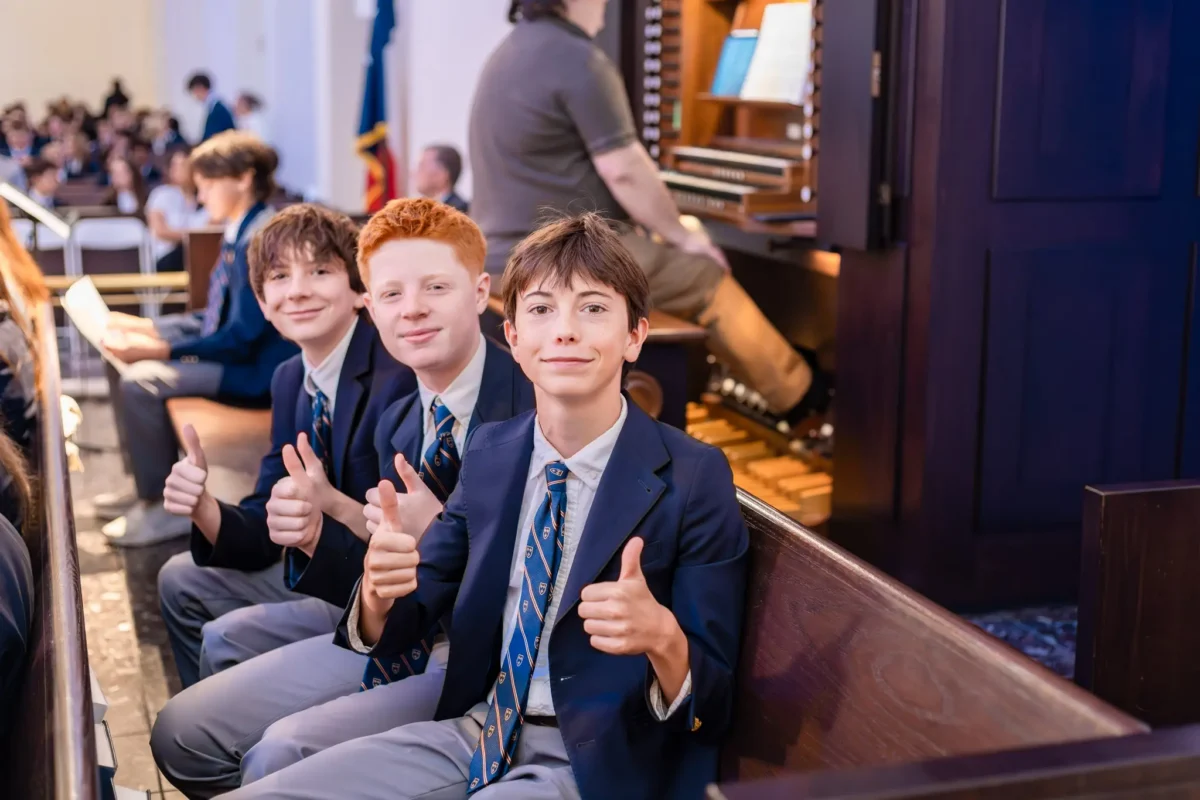
Fifth grade can sneak up on parents. Your child may still seem like the elementary schooler you have always known, but suddenly they are asking for more independence, developing stronger opinions, and finding new interests all their own. School starts asking more of them, too, which can make this an important time to consider what kind of environment will help them thrive during the next few years.
Middle school brings some of childhood’s biggest physical, emotional, and intellectual changes. At The Episcopal School of Dallas (ESD), Middle School begins in fifth grade, giving students four years to gradually learn to manage assignments, communicate directly with teachers, and figure out which subjects and activities excite them.
Starting this chapter a year earlier also gives families an opportunity to consider a question they may not have expected to ask quite yet. As your child changes, could it be time to take another look at their school experience, too?
Why ESD Starts Middle School in Fifth Grade

Many families picture sixth grade as the beginning of middle school. ESD starts one year earlier.
Fifth grade serves as a bridge between the familiarity of elementary school and the independence students will increasingly need as teenagers. Students take on new responsibilities while still receiving close support from teachers and advisors.
Starting Middle School in fifth grade also gives students four years to develop before Upper School. Instead of expecting independence to appear overnight, ESD gives students repeated opportunities to practice organization, time management, communication, and self-advocacy.
“Middle school is a time of great change, both physically and emotionally,” says Jonathan Chein, Head of Middle School. “As middle school educators, we shepherd children through this remarkable time of growth, opportunity, and discovery by honoring each student’s curiosity, ingenuity, gifts, industriousness, and spirit.”
Making Sure No Student Gets Lost in the Crowd

Greater independence does not mean students are expected to figure everything out alone.
ESD’s advisory program places each Middle School student in a group of eight to 10 same-grade students with one faculty advisor. The group attends chapel together each morning and eats lunch together each day, giving advisors regular opportunities to learn who students are outside their academic performance.
The tradition dates to ESD’s founding. Father Swann wanted each child to be known within the larger school community, with smaller groups helping students develop relationships without becoming lost in the crowd.
An advisor can become an advocate when a student needs support, while parents have a primary contact who knows their child and can communicate with teachers.
As students become more independent, they begin taking greater ownership of those relationships too. They learn to talk directly with teachers, keep track of assignments, and ask for help when they need it.
Some Lessons Require Leaving the Classroom

Independence becomes much easier to understand when students get a chance to practice it.
Each Middle School grade at ESD participates in a signature trip that gives students new opportunities and responsibilities as they progress through the program. Students explore science and engineering in Galveston and conclude their study of American history with a trip to Washington, D.C., a school tradition spanning more than 30 years.
Students also head to the Texas Hill Country to explore collaboration and community, while eighth graders begin their final Middle School year in Colorado with an emphasis on leadership.
Community service also gives students regular opportunities to consider their responsibilities to other people. The same student learning to manage an assignment or speak with a teacher is also learning how individual choices affect a larger community.
Middle School Is Made for Trying Something New
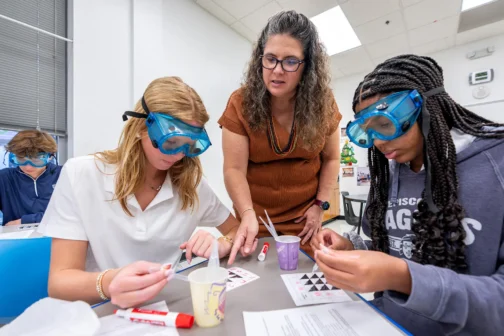
Middle school is often when students begin figuring out which interests they want to pursue further, and ESD gives them plenty of opportunities to try something new.
Middle schoolers can explore sculpture, drawing, painting, theater, choir, band, and strings. Theater students perform throughout the year and can audition for the spring musical.
Students interested in technology can build and program robots using touch, light, sound, and ultrasonic sensors before taking their creations into competition. Science can move outdoors at Wolf Run, ESD’s outdoor campus, where archaeological digs have uncovered more than 800 objects. Lab work also gives students hands-on opportunities to investigate concepts they encounter in class.
Trying something unfamiliar also means occasionally struggling with it. Middle school gives students time to discover how they respond when an idea does not work on the first attempt, a class becomes challenging, or a new activity requires more practice than expected.
Why Fifth Through Eighth Grade Can Make a Difference
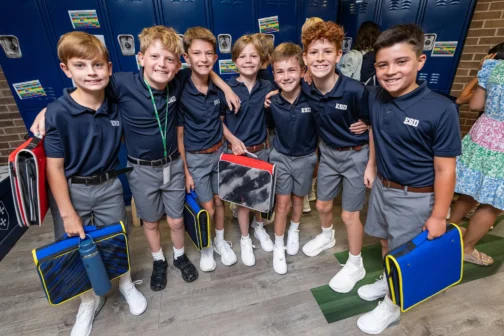
Strong academics are an important part of a college preparatory education, but the middle school years also give students opportunities to develop skills they cannot learn through coursework alone.
Students are learning how to speak up, manage increasing responsibilities, recover after mistakes, and discover interests they may carry into high school and adulthood. ESD’s four year Middle School experience gives them time to practice those skills while adults are still close enough to notice when support is needed.
Chein describes the purpose of these years in a way parents may find reassuring.
“Our goal is not for students to ‘win’ middle school, but to equip them for a life of meaningful purpose.”
Your child will change a lot between fifth and eighth grade. Choosing the right school means thinking about who they are becoming, not only who they are today.
For more information about The Episcopal School of Dallas and its Middle School program, visit esdallas.org.
Author