Cattle Baron’s queen was fearless, principled, determined
The Park Cities branch of the American Cancer Society raised $1,000 at its 1973 dance marathon fundraiser. For Jacque Wynne, that wasn’t nearly enough.
“I said, ‘Dallas is a big city. I can’t believe you raised only $1,000,’” she remembered in a 2010 D Magazine article. “They said, ‘Well, why don’t you think of something?’”
Wynne’s husband, Toddie Lee Wynne Jr., wasn’t excited about the idea of another black-tie ball. So Wynne and friend Patti Hunt decided to replace their gowns and dinner jackets with cowboy boots and Stetson hats.
They moved the Cancer Society’s 1974 fundraiser to the Wynne family ranch and personally invited 500 members of the Dallas elite. That first year, they raised more than $50,000. The next year, everyone wanted to come.
Today, the Cattle Baron’s Ball is the most coveted ticket of the year for Dallasites who love a good time, fantastic food, and world-class music.
Neighborhood Spotlight
Park Cities
Where the Park Cities Stay Connected.
It’s also the American Cancer Society’s largest single-night fundraiser. Since its inception, the boot scootin’ party has raised more than $105 million for cancer research.
It’s hard to overstate the legacy Wynne built with a combination of, courage, kindness, brains, charisma, and sheer grit.
The queen of the Cattle Baron’s Ball died the day after her 78th birthday on Oct. 18. She has earned the respect of People Newspapers, and we have named her our Person of the Year for 2025.
“Jacque judged herself by her standards. And her standards were incredibly ethical and incredibly moral,” family friend Mary Ann Thompson-Frenk said. “They weren’t based on what would make her popular, but they were based on what she wanted to see in the mirror.”
Wynne, a native of Corpus Christi, graduated early from high school at 16 before attending SMU, where she earned both bachelor’s and master’s degrees.
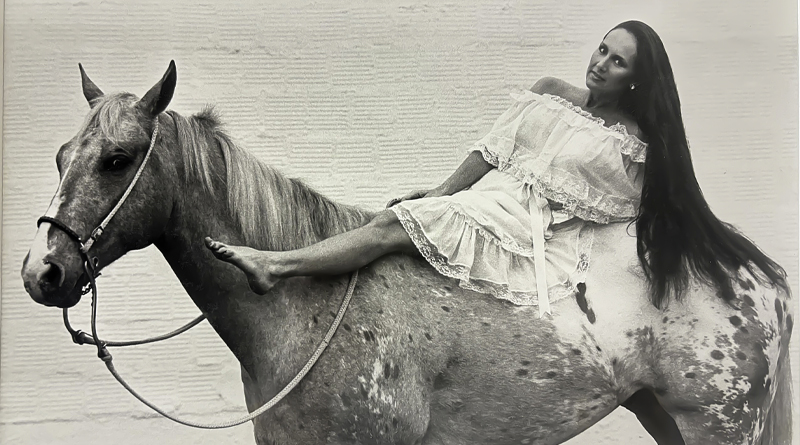
She possessed impressive intellectual and athletic gifts. Wynne was an expert skier who tackled black-diamond slopes, the youngest runner-up in barrel racing for Appaloosa horses, an ice-skater, and a fierce hunter. Her adventurous spirit took her around the world and once, she told friends, even led to her being chased by an elephant.
Wynne loved going to parties and entertaining. Heads turned when she walked into a room.
“She was strong. She was beautiful. She would be the heroine in a story,” lifelong friend Gray Hawn said. “Everybody was drawn to her.”
Even children understood how special Wynne was, her goddaughter and namesake Jacque Joy Saxton remembered.
“She would walk in the room, and the room would change,” Saxton said. “She just had this powerful presence. She was gorgeous with her long hair, but it was also her energy, her persona. She was loud. She would command the room. She was not afraid to be bold, and to be honest.”
Wynne was also principled. Her popularity came second to her beliefs.
Thompson-Frenk remembered that her parents were ostracized after they adopted her from Mexico in 1977 as an infant. When they had a party in Highland Park to introduce their brown-skinned baby to friends, half the guests left in protest.
Jacque and Toddie Lee Wynne Jr. had a problem with that. They threw their own party, stood arm-in-arm with Thompson-Frenk’s parents, and said how happy they were for the family.
“She was never afraid,” Thompson-Frenk said. “Absolutely fearless is what I would say about Jacque.”
Though Wynne is best known for her blockbuster fundraiser for the American Cancer Society, she left her mark on numerous other philanthropic causes, and especially on the people she treated with kindness.
Cattle Baron’s Ball committee member Kate Boatright hadn’t ever met Wynne when she joined Cattle Baron’s. But its legendary co-founder made a point of finding her, welcoming her with a hug, and telling her how excited she was to meet another alumna of her sorority, Pi Beta Phi.
“She just had this wonderful way of making you feel like you had known her forever and that you were important,” Boatright said. “She had wonderful emotional intelligence.”
Wynne was proud of her family’s legacy at SMU, where she was a season ticket holder in football and basketball, as well as a devoted volunteer, fundraiser, and friend-raiser.
“She had a grace about her that was very happy, and appreciative, optimistic, and passionate about SMU and what it meant to her in her life,” said Bob Sharp, the university’s senior director of major gifts for athletics. “She was just a vivacious personality, and always had a good, positive word for people.”
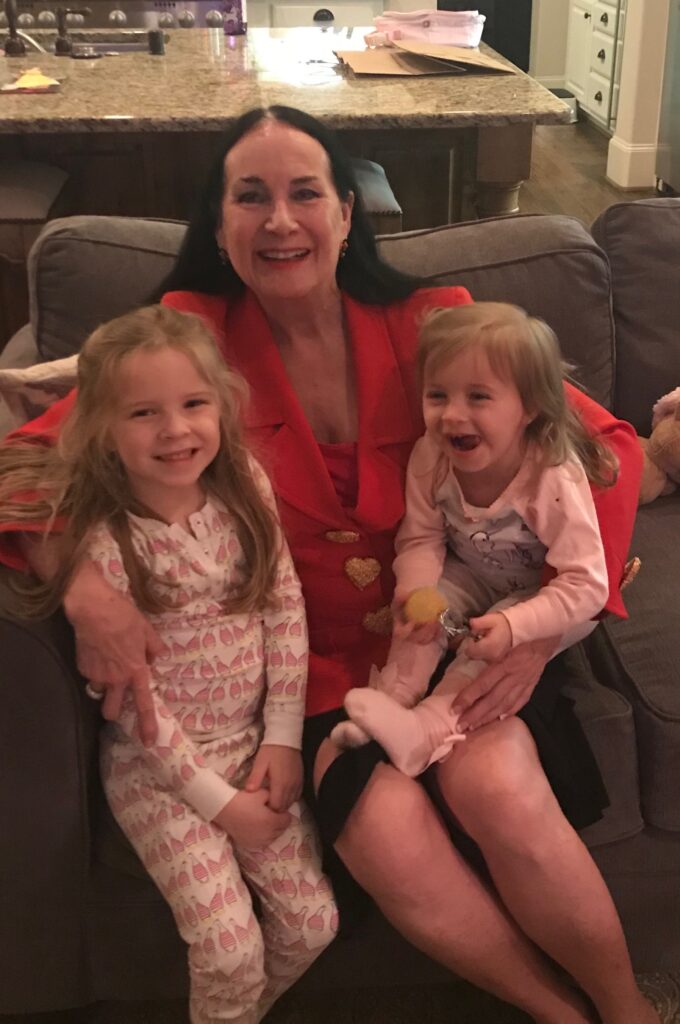
Wynne adored her grandnieces, Emma Reid and Kate Fullam, who would run to her and jump in her lap.
She was known for her laughter, her smiles, and a joy that was not diminished later in her life when she struggled with her health and became a real estate agent due to financial concerns.
“Life was just great for her,” Sharp said, “not that circumstances were always great, but she made it be great for her.”
In her final days, Wynne held hands in the hospital with her niece, Katherine Fullam. She still danced to music with her feet at the end of the bed when she heard a favorite song.
“She was just happy,” Fullam said. “And she was a good person, who wanted to help other people.”