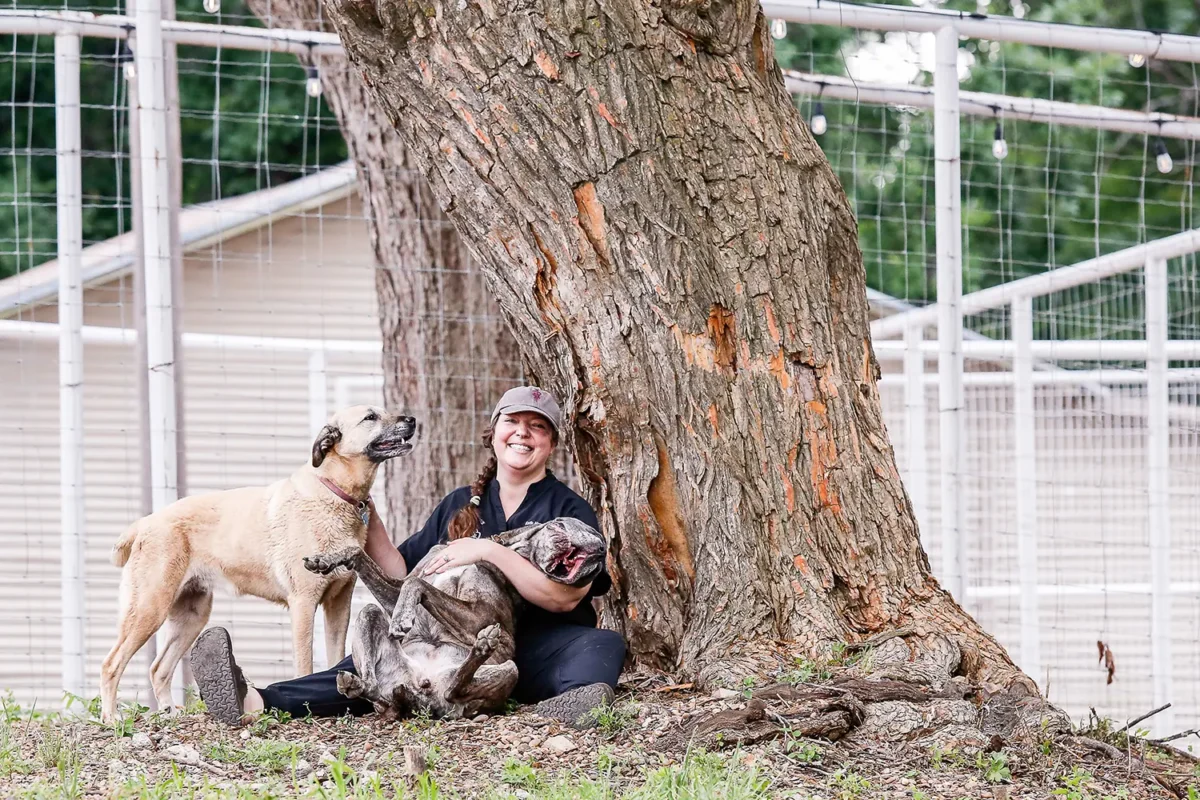
If your pets are like mine, they won’t be left out of holiday festivities. From Thanksgiving turkey to Christmas cookies, the kitchen is every bit as exciting to our four-legged family as to us. Owners ask me which holiday foods they can safely share with pets. A few thoughtfully chosen bites in moderation and some common sense can give your pet a seat at the holiday table … or at least an interesting spot underneath.
Simple is best when making your pet’s plate. A bit of plain, boneless turkey is a great place to start. Add unseasoned green beans, carrots, or plain sweet potato, and you have a perfect holiday pet dinner. Just skip the butter, sauces, and seasonings. Portion size matters, too. Our pets don’t need a human-sized helping. Holiday treats should supplement, not replace, normal diets. A few special bites are plenty, which leaves room for regular meals.
We get into trouble when we share finished dishes rather than setting aside pet-friendly food during preparation. Turkey is fine; turkey covered in gravy and seasoning is another story. Rich, high-fat foods like turkey skin, gravy, and butter can cause upset stomach and potentially pancreatitis. Before dressing your turkey or adding the good stuff to the vegetables, set aside a plain portion for your pet.
Our pets must sit out some holiday favorites. Onions, garlic, leeks, and chives aren’t pet friendly. Grapes and raisins cause kidney issues in dogs, so raisin bread, fruitcake, and other dishes containing them should stay off the pet menu. Chocolate is another no-go, particularly dark and baking chocolate. And some sugar-free desserts contain xylitol, an artificial sweetener especially dangerous for dogs. Fortunately, nobody needs to memorize every ingredient. A simple rule works well: if you aren’t certain what’s in a dish, don’t share it. Stick with what you know.
The same applies to bones. Cooked turkey (and chicken and ham) bones splinter and become lodged in the digestive tract. Corncobs, skewers, and foil aren’t much better. Clear plates promptly and put scraps in a secure trashcan.
Houseguests present another opportunity for creative pet management. A bite of turkey from one person isn’t a big deal, but what if everyone did that? Ten guests slipping the dog “just one” is a whole extra dinner. Let guests know your pet feeding policy and keep a small bowl of approved goodies handy so guests don’t improvise.
Pets with health issues should stick to their regular diets, but that doesn’t mean they have to miss out. A veterinary-approved treat or their regular dinner served somewhere special makes the occasion feel different without changing what’s in their bowl.
Despite best efforts, a pet may snag something questionable. Try to determine what was eaten, how much, and when. Save the ingredient list if you have it, and contact a veterinarian or animal poison-control service. Don’t do anything unless a veterinarian tells you to do so.
Not every pet wants to be at a party. For one overwhelmed by a houseful of guests or who can’t resist targeting unattended plates, a quiet room with a favorite bed can be a calm retreat.
Sharing the holidays with pets doesn’t have to mean sharing everything on our plates. They can enjoy the celebration without blowing their diets, waiting in a comfortable spot for someone to accidentally drop a tasty morsel.
Dr. Katie Morgan, a Park Cities native and Hockaday graduate, is the owner and medical director of White Glove Pet Care, White Glove Pet Ranch, and White Glove Pet Valet, which together provide concierge veterinary care, luxury boarding, and in-home pet services for dogs and cats throughout the Park Cities and Preston Hollow. Learn more about Dr. Morgan by visiting whiteglovepetcare.com.
Author