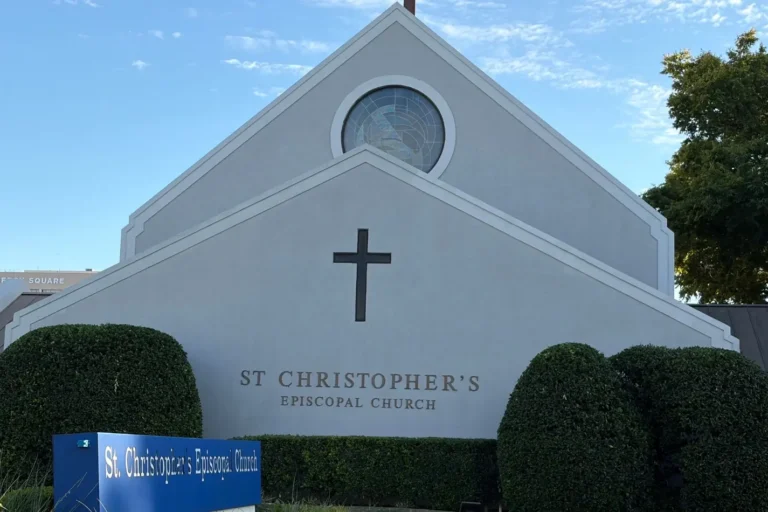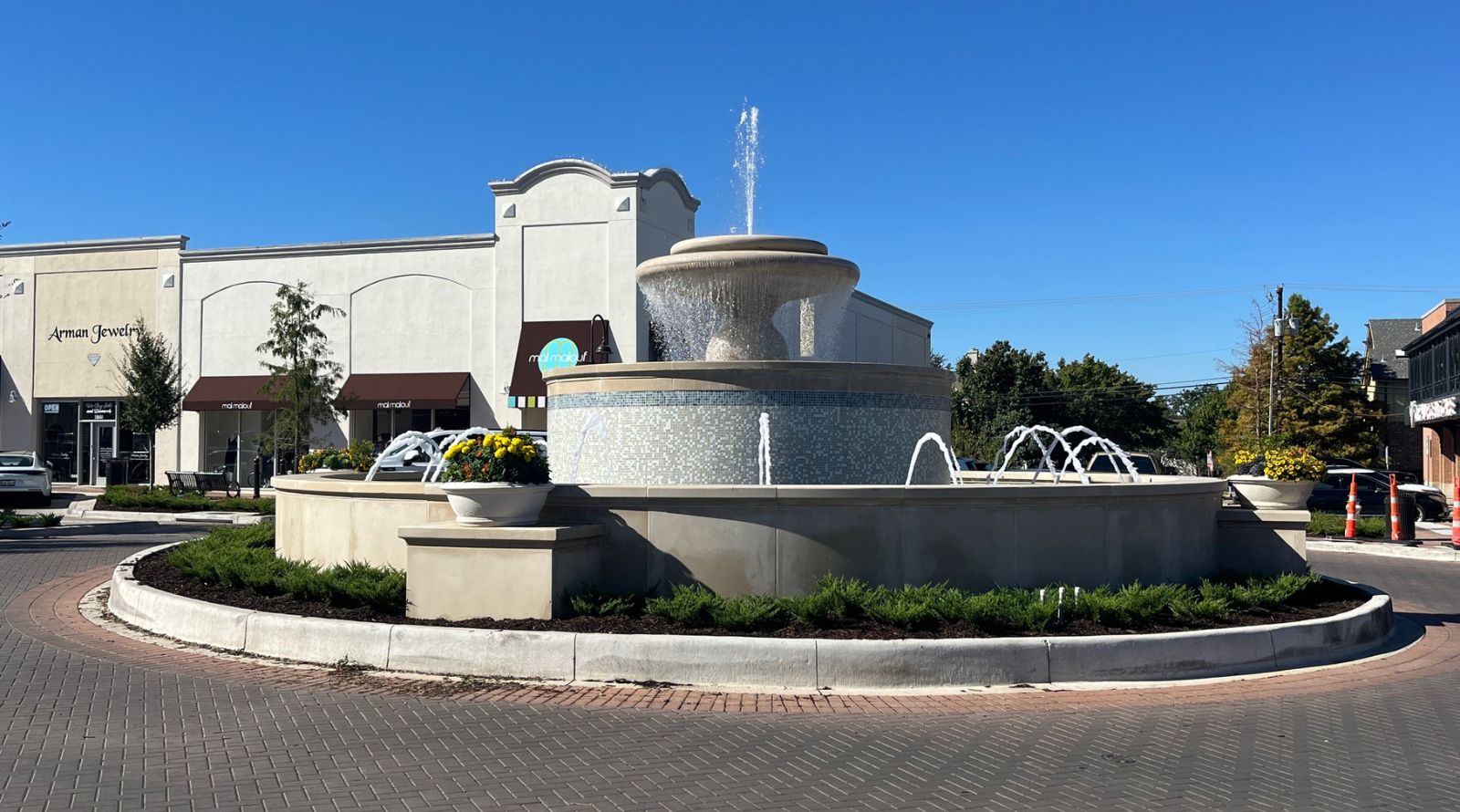
The city of University Park plans to approach property owners in Snider Plaza about the creation of a Public Improvement District to fund employee parking.
A Public Improvement District, or PID, is a geographic area that pays a special assessment in order to receive services or improvements that would not otherwise be provided. The PID being considered for Snider Plaza could go into service at the start of 2027.
Owners of more than half the property in the plaza would have to petition the city to create the PID, and the city council would need to approve the petition no later than June 2026.
If that happened, property owners would pay about a $0.15 assessment per $100 of valuation to fund employee parking in the Hilltop Parking Garage and Rankin Avenue parking lot.
Offsite parking is needed because employees use more than half of the spots in Snider Plaza’s surface lot, according to an August 2023 survey. Moving them out of the plaza would free up more space for customers.
During an Oct. 30 meeting, the city council discussed two models for upping parking enforcement to ensure employees use the spots provided through the PID. Council members delayed until spring a decision of whether to pursue either option.
Neighborhood Spotlight
Park Cities
Where the Park Cities Stay Connected.
Under one plan, the city would employ a third-party contractor, and under the other, it would hire additional parking enforcement officers.
If the city pursued the third-party contractor model, Snider Plaza parking would be free for the first two hours, but those who wanted to stay for longer would pay for parking. All shoppers would need to log into an app when they arrived in their parking space.
The parking fee would apply whenever customers were in Snider Plaza for more than two hours within the daily enforcement period, regardless of whether they moved to a different parking space.
The city would also implement paid parking on sections of Hillcrest Avenue and McFarlin Boulevard.
Parking enforcement, customer service, and management would cost the city about $410,000 annually. Based on projections, University Park would receive an estimated $300,000 in revenue, city manager Robbie Corder told the council.
Alternatively, the city could hire additional parking enforcement officers at an annual cost of $350,000, but Corder said the city was uncertain how much revenue the additional officers would generate.
Corder explained that the city only collects payment on about half of its parking tickets, and, unlike in the paid parking model, enforcement would be the only source of revenue for the city.
Council members Phillip Philbin and Melissa Rieman appeared skeptical of paid parking. Rieman questioned whether requiring the use of an app and not restarting the clock if a morning shopper returned to Snider Plaza for dinner could discourage Plaza visitors.
Philbin asked whether the city could do a PID without also increasing parking enforcement.
Corder responded that, without enforcement, employees would continue to park in the more convenient Snider Plaza lot even if alternative parking were available. Right now, he said, the city does not have enough enforcement staff to keep employees from parking in Snider Plaza spots.
Philbin suggested that the city consider using parking boots to force serial violators to pay for their tickets.
“I’m not a fan of paid parking. I think paid parking is a resource of last resort,” he said. “And I’m not convinced we’ve tried other resources before we go to paid parking.”
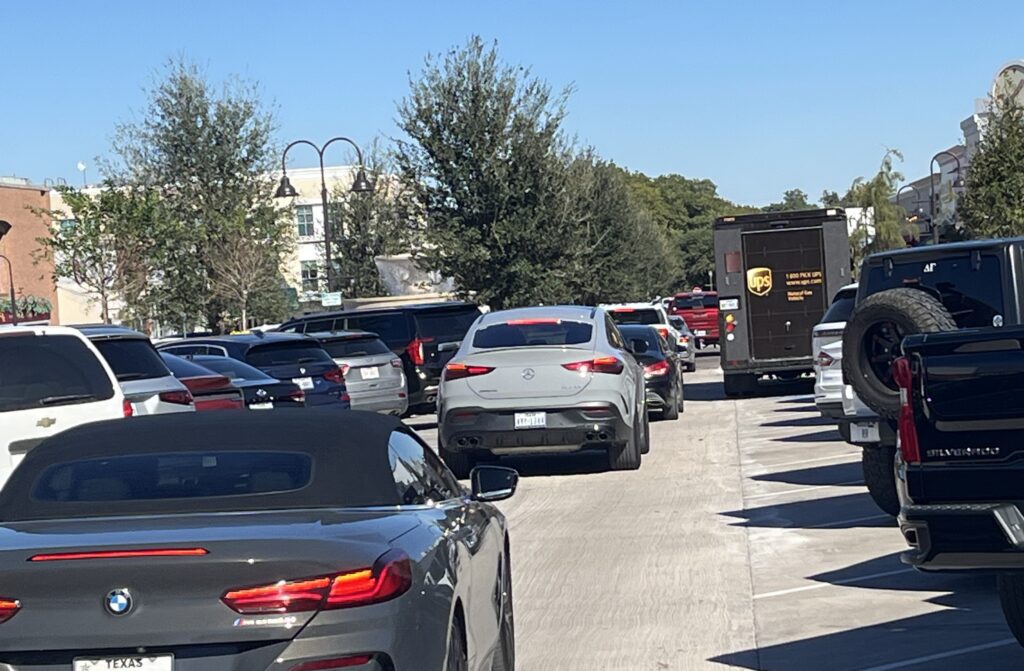
In addition to creating a PID, council members discussed potential restrictions on the timing and location of deliveries, and on heavy truck passage through Snider Plaza.
Also on the table is restricting the placement of signage and outdoor dining to ensure that there is consistency and an accessible sidewalk path.
The city would accomplish this goal through changes such as replacing its current license agreements with annual permits. Businesses would need to submit an application and map to ensure that their usage of the sidewalk was appropriate, assistant city manager Shanna Sims-Bradish said.