While many area private schools are participating in the Texas Education Freedom Accounts (TEFA) voucher program, some of the most elite have decided to sit this year out.
The TEFA program, also known as the private school voucher program, was established in 2025 to provide state-funded, flexible education accounts for private school tuition, tutoring, and educational materials.
In its first year, TEFA drew 274,000 applications for roughly 100,000 available spots, according to the Texas.gov education freedom website.
As of March 16, Dallas ISD students accounted for 8,617 of that total — the second-most of any school district in the state behind Houston ISD. Highland Park ISD residents had submitted 237 student applications as of the same date, according to the Texas Comptroller of Public Accounts.
Many schools, including Jesuit Dallas, have chosen to participate in TEFA. Accepting funds will help Jesuit remain a preferential option for underserved students and will not impact its high standards, explained Jesuit’s director of communications Jeff Kramer.
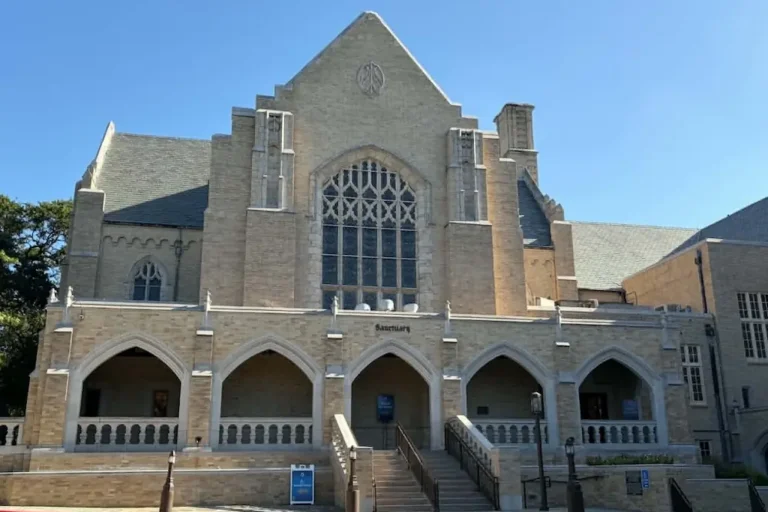
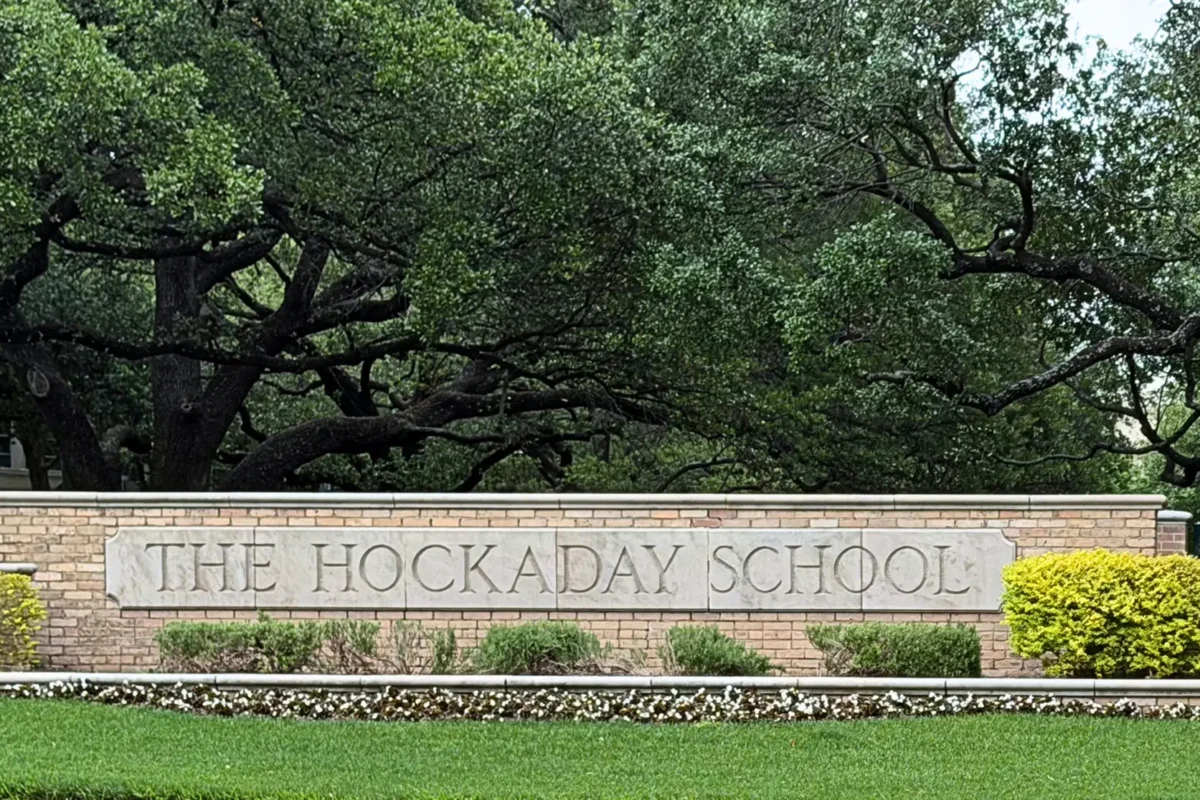
Other elite Dallas schools, including The Hockaday School, St. Mark’s School of Texas, Greenhill School, and The Episcopal School of Dallas, have chosen to watch TEFA’s rollout from the sidelines.
Hockaday is delaying a decision on whether to accept program funding while its leadership team and board of trustees carefully review TEFA’s educational, financial, and operational implications, the top-rated school explained in a written statement.
“We are deeply committed to our robust, need-based financial aid program, and feel it best serves our mission. Hockaday strives to meet 100% of demonstrated need,” the statement said.
St. Mark’s does not plan to participate in TEFA because of how highly it values its independence and autonomy, director of communications Brooke Driesse said in a written statement.
“We sustain a strong commitment to removing financial barriers for qualified students and annually invest more than $4 million in tuition assistance for current families,” Driesse continued. “We are also aggressively pursuing a strategic goal of significantly expanding student financial aid while slowing the growth rate of tuition.”
Elite schools including Hockaday and St. Mark’s are likely concerned about additional regulations that could be attached to accepting state funds, explained Dr. Watt Lesley Black, Jr., a Clinical Professor in Education Policy and Law at SMU.
“They value their mission and they value their independence so much that I don’t see them reversing and taking part in the program in large scale any time soon,” he said.
Based on the number of applicants, Texas families have shown a strong interest in TEFA. The program’s impact on Dallas private schools this fall will depend on which students are approved, how schools adjust their admissions, and whether funding flows as intended.
But the loss of even a fraction of its TEFA applicants would be a “double whammy” for Dallas ISD. Despite its relatively low-income student population, Dallas ISD is considered a property wealthy school district, and the state already recaptures taxpayer funds, Black said.
“If Dallas were to just lose, say, 1,000 students, that would equate to about $6 million in lost funding just because of the attendance loss over the course of the year,” he explained.
Dallas ISD is optimistic that the variety of educational options it provides district families will persuade parents to keep their children in its schools.
“We remain confident in the strength of our academic programs and the robust extracurricular offerings,” a district spokesperson said, “and believe families will continue to choose Dallas ISD.”
Author