Beginning in 2026-27, HPISD students no longer have to choose
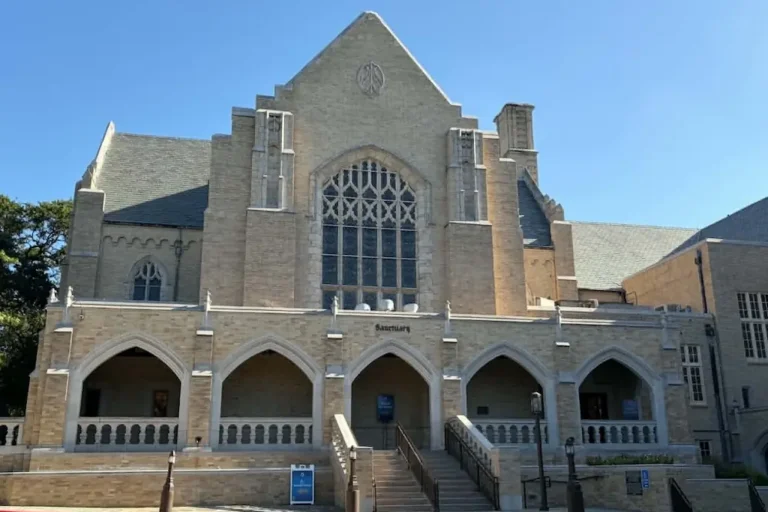
The Highland Park ISD board of trustees has approved policy changes that will make it possible for high-performing students to explore their interests in the arts and athletics without taking a GPA hit.
The new rules, which start going into effect in the 2026-27 school year, will help students on track to graduate from high school with honors: those with grade point averages of above 4.0.
Because an A grade in the fine arts or athletics is worth less than an A in advanced placement or honors courses, top marks in those electives actually lower the GPAs of high-performing students. And some students with honors ambitions quit their electives to maximize their GPA.
But beginning in the fall of 2026, students will be able to exempt more courses in the arts or athletics — up to two in each of their sophomore, junior, and senior years — from GPA calculations.
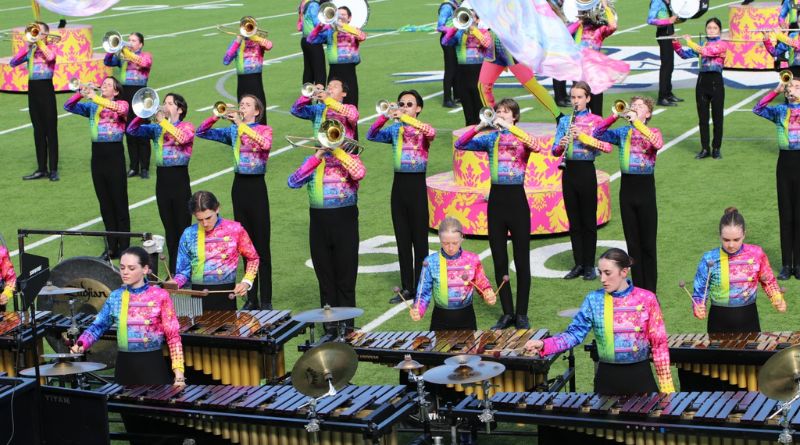
“I am so grateful that the board recognizes how arts students contribute to our school and community, and the critical role arts education plays in the success of our students,” said HP Arts president Deirdre Deignan. “And I am also grateful for the countless arts parents and volunteers that have advocated for this for years.”
Neighborhood Spotlight
Park Cities
Where the Park Cities Stay Connected.
The typical high school marching band student devotes 500 hours outside the classroom to the program in the summer and first semester alone, Deignan said, and some talented students leave HP’s program because their dedication to music hurts their GPA.
“For that kind of commitment to actively count against high academic performing students is simply unfair,” she said.
GPA exemptions will be available for PE, athletics, fine arts, debate, journalism, and robotics. Teacher Timothy Thomas, who coaches the robotics team, said he thinks the changes will encourage students to pursue electives that build valuable life and career skills.
“On numerous occasions, I have had a kid say, ‘Oh, I can’t take Robotics II. I need to take AP whatever, because I need to bump up my GPA, or keep my GPA a certain way.’”
Along with the exemptions, the board of trustees has approved changes that aim to keep students focused on classes that align with their interests, rather than simply rack up points toward their GPA.
Beginning with the class of 2030, students will be limited to taking six AP or post-AP courses in each of their senior and junior years, two as sophomores, and one as freshmen. High schoolers will also be required to take at least two classes that have a maximum GPA value of 4.0.
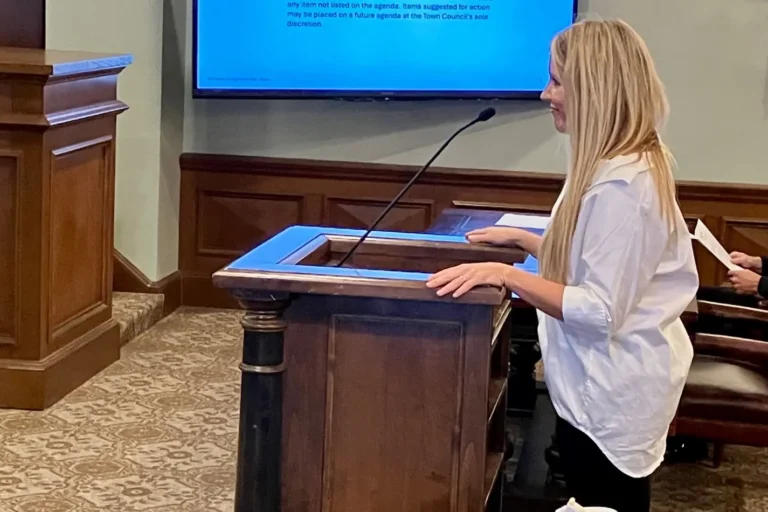
The rules will discourage students from gaming the system by finding ways to bypass AP prerequisites, or satisfying HP’s foreign language requirement over the summer, board member Blythe Koch explained during a June 3 work session.
The changes may lower GPAs at Highland Park but won’t make students’ transcripts less competitive at selective universities. Colleges do their own math when it comes to determining GPA, and may exclude electives from the calculation entirely, or not even assign extra points to advanced courses.
“No surprise, a lot of them do value extracurricular activities. And they do like to see depth of involvement in your extracurricular activities,” Koch said. “We do think it’s beneficial for our students to be involved and stay involved.”
Koch explained that the AP-course limit together with the exemptions means that top performers who continue taking an elective through their sophomore year will have a GPA edge over those who quit.
“Even if you want to be the valedictorian, you are better off doing an extracurricular activity in Highland Park with this policy for at least two years, which we think is a benefit for those students,” Koch said. “It is helping them have some balance and giving them freedom.”
Editor’s Note: A sentence of this article has been revised to clarify that, beginning with the class of 2030, students will be limited to taking six AP or post-AP courses in each of their senior and junior years. They will not be limited to taking six AP or post-AP courses total over the course of both years.