In a world where screens are almost always in our kids’ hands, sleepaway camp offers something rare — a real break from all of it. No phones, no social media, no constant scrolling. And while that might feel a little scary at first (for both kids and parents), it ends up being one of the best parts of the sleepaway camp experience. It’s very different from home, where “dinner’s ready” is often followed by “hold on” from behind a screen.
At sleepaway camp, unplugging isn’t just encouraged — it’s built into the day.
Without screens, something simple — but powerful — happens. Kids start looking up.
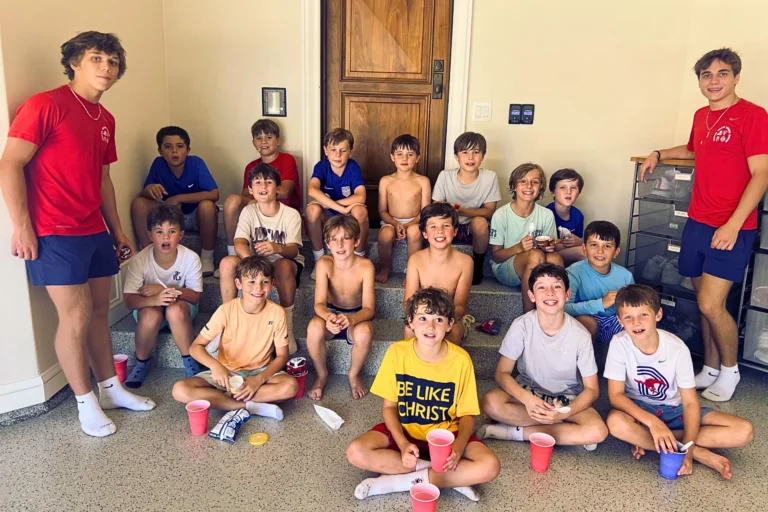
They connect more with the people around them. In cabins, at the dining hall, on the fields, and during evening activities, conversations aren’t interrupted by notifications. Meals are full of talking and laughing, not silence. Kids learn how to look someone in the eye, join a group, and work through little disagreements. It’s a big shift from what many families see at home — kids sitting next to each other, but each on their own screen.
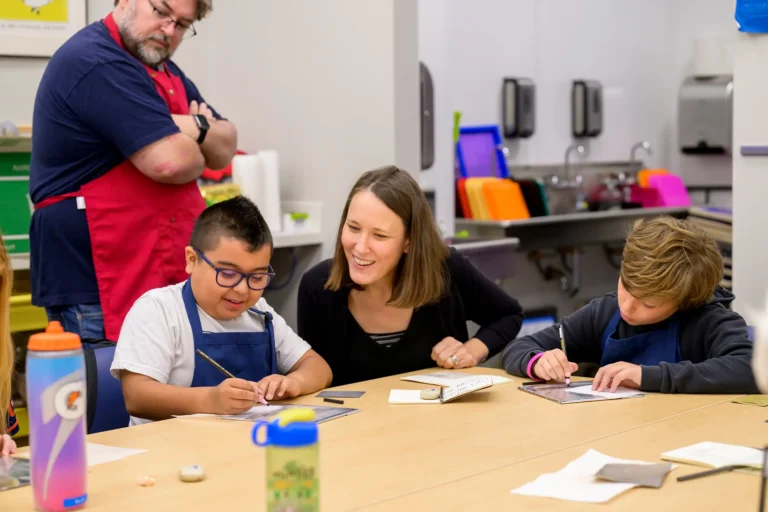
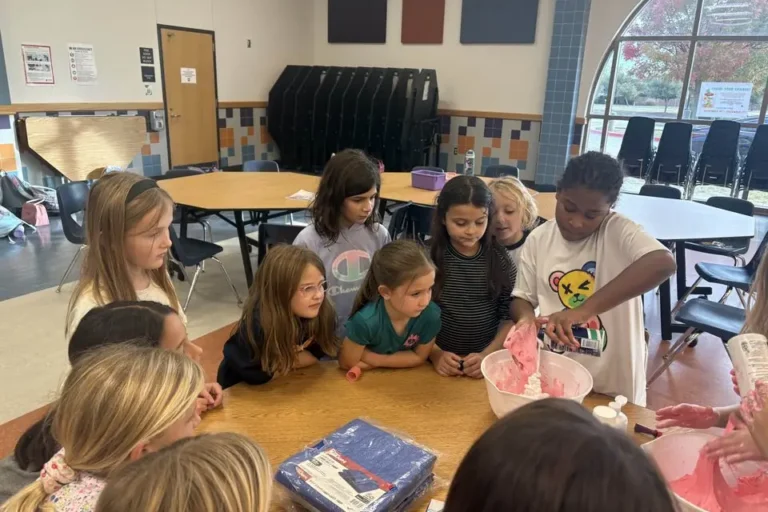
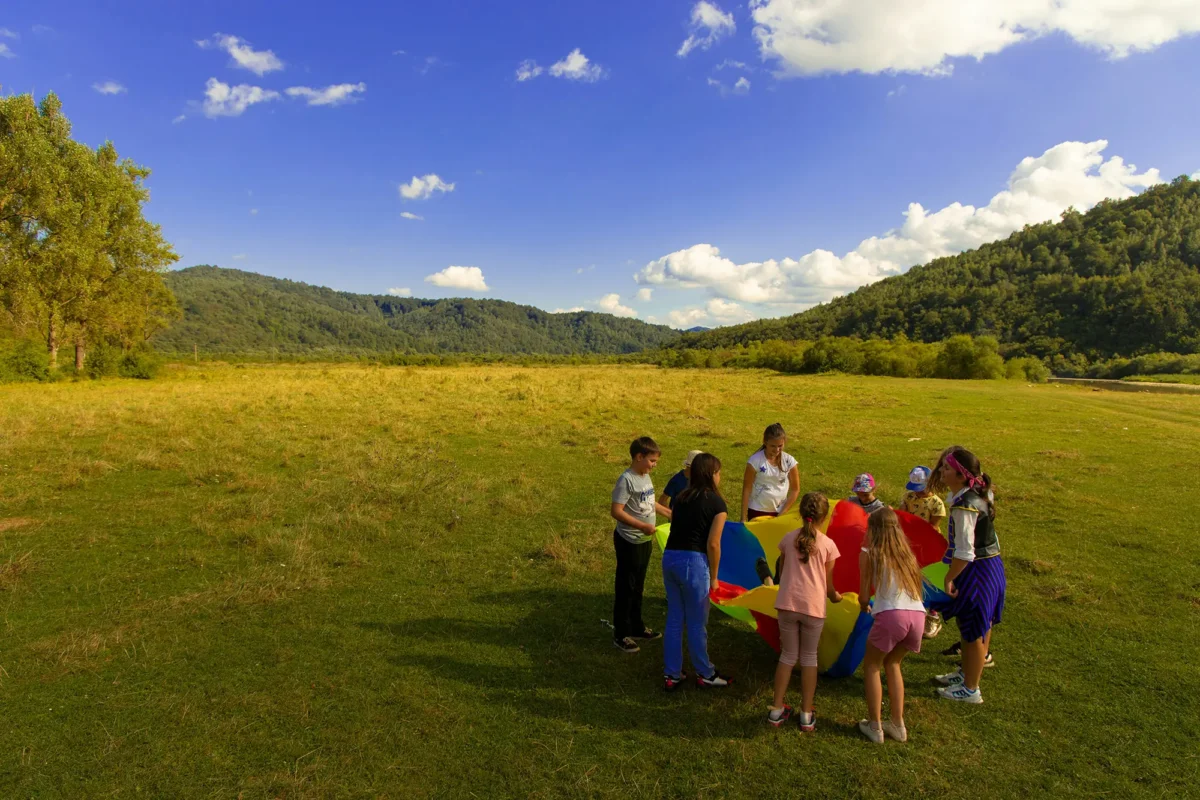
Unplugging also gives kids room to be creative. At sleepaway camp, the days are full — but not in a rushed way. When there’s downtime, kids don’t reach for a phone — they figure things out. They make up games on the field, put on skits in the cabin, write songs, build things, and try activities they might not choose at home. Camp shows them that fun doesn’t have to come from a screen — it can come from their own ideas. That little bit of boredom usually turns into something great.
There’s also a noticeable difference in how kids feel. Being constantly connected can be a lot. At sleepaway camp, that all fades into the background. Kids aren’t thinking about likes or what they’re missing. They’re focused on what’s right in front of them — morning activities, team games, campfires, and late-night talks in the cabin. A lot of kids come home from sleepaway camp seeming more relaxed, confident, and happier.
Sleep tends to improve, too. At sleepaway camp, kids are active all day — swimming, playing sports, exploring, and just being outside. By the time lights out comes around, they’re ready for bed. Without screens at night, they fall asleep more easily and sleep more deeply. It’s a natural reset that many families find hard to create at home.
Maybe most importantly, sleepaway camp helps kids feel more independent. Being away from home — and away from regular communication — gives them the chance to figure things out on their own. They make decisions, solve small problems, and take healthy risks, all with the support of counselors and a structured environment. It’s often where kids realize, I can do this.
For parents, not hearing from your child as often can feel a little uncomfortable at first. But that space is part of what makes sleepaway camp so meaningful. It gives kids the chance to work through things on their own and grow in ways they might not if they could reach out right away. And when they come home, you can usually see it — more independence, better communication, and a stronger sense of self. Even the little things, like sitting together at dinner or hearing them share stories without being asked, feel especially meaningful.
Sleepaway camp isn’t just a way to fill summer — it’s an experience that sticks. When kids unplug, they reconnect — with others, with themselves, and with the world around them. And in today’s always-connected life, that might be one of the most valuable things we can give them.
Reach Helene Abrams with Tips on Trips and Camps, a free advisory service that helps parents find enriching summer overnight experiences for their children, ages 7-18, at 214-693-9259 or [email protected].
Author