By Lavelle Carlson
Oh, the worries of being a parent!
Then, someone comes out to tell parents to read, read, read to their children and adds more worries.
Another way to worry parents is to quote numbers on how many words a young child needs to hear before entering school.
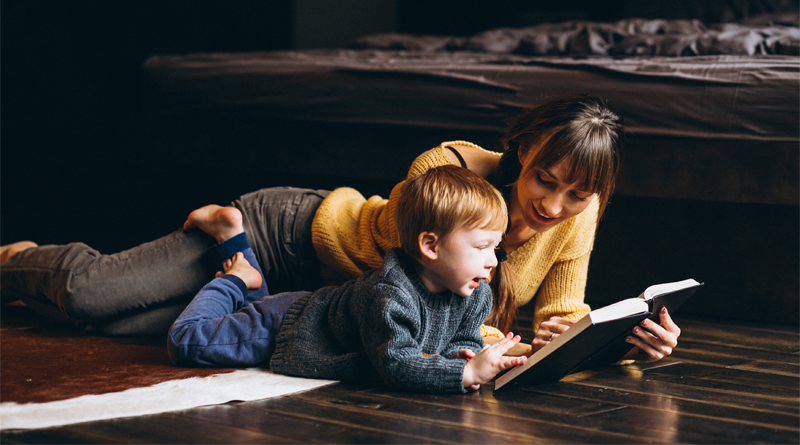
Get ready! Here is the number – sorry. Young children who hear five books – yes, five books – read each day will have heard a million-plus words before entering school. That is asking for a lot of time reading. But, hearing it increases the likelihood of successful language and reading in school.
When I was a young parent, I remember the begging and pleading from my young children who did not want to go to bed. One more! One more! I did it, but it was often tiring. However, it paid off as my daughters did well in school.
Neighborhood Spotlight
Preston Hollow
Let’s try to simplify it. If you cannot read that many books each day, try to bring the story into your conversation during your drive or while cooking a meal.
Here are a few other suggestions to make the most out of reading time.
Paired reading — The adult read part of a phrase, and the child takes a turn and “reads” another. Books high in repetition lend themselves to this. Also, reading a book multiple times facilitates this action.
Questioning — Ask simple questions after a page or after you have finished the story.
Interaction — Make stories interactive by using puppets or allowing child to act out some of the actions in the book.
No words — Wordless books encourage children to tell their own story.
Employ cues — Use print referencing of verbal and non-verbal cues. Example: Verbal cue – Look, the bee says “bzz.” Non-verbal cue – following the print with your finger as you read and even having your child put their hand on your hand as you move it across the print.
Repetition — Read a story many times — yes, even though that could be boring to you if done too often.
Crayons — Coloring storybooks can be beneficial to the speech and language aspect as well as fine motor skills.
Lavelle Carlson is a retired speech-language pathologist and award-winning author who crafts engaging books for young children. Her passion for literacy lives on through stories that spark learning and laughter.
Publisher’s note: Support local journalism and keep community stories alive. Your support helps us continue covering the neighborhoods you call home. Please contribute here.