For people leaving jail or prison, finding a job and establishing stable housing can be among the first barriers to rebuilding daily life. A Dallas nonprofit is working to bridge that gap through employer partnerships, housing connections, and long-term case management.
Christina Melton Crain, founder and chief executive officer of Unlocking Doors, created the statewide nonprofit to help individuals with criminal records navigate reentry.
“What we do in a nutshell is assess their needs in a holistic manner, create a plan of attack for them, and then navigate them to those services and monitor them while they are receiving those services,” Crain said.
The Preston Hollow resident learned of the challenges people face after incarceration while serving as chair of the Texas Board of Criminal Justice under Gov. Rick Perry.
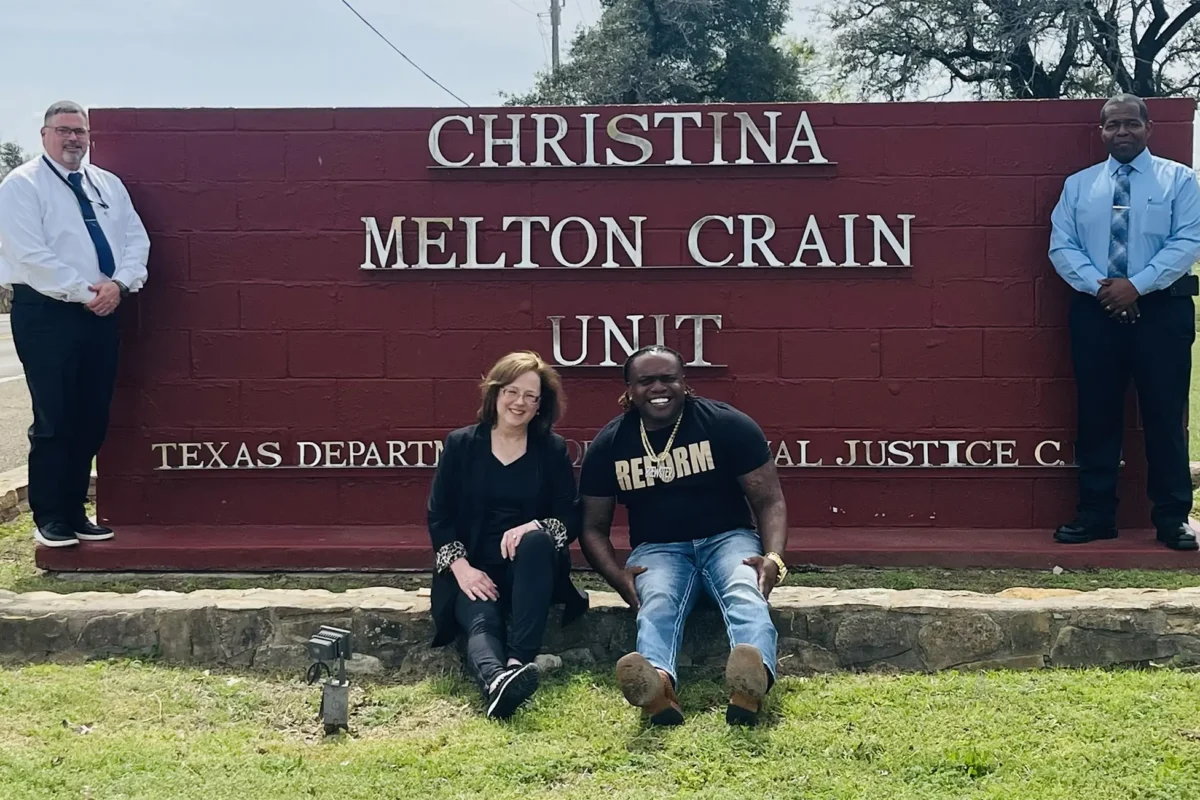
Crain was the first — and is still the only — woman to ever lead the nine-member board that oversees the incarceration, parole, and probation of Texas adult felons. The state renamed the former Gatesville Unit prison for women the Christina Melton Crain Unit in 2008 in recognition of her work.
Crain explained that, during her board service, she became aware that “there wasn’t a structured way to transition people back into the community in a sustainable way.”
In 2010, Crain founded Unlocking Doors, which is committed to reducing crime through coordinated collaboration, partnership, public awareness, reporting of evidence-based data, and predictive trends, education, and training. The organization works with individuals who have served time in state and federal prison as well as those with arrest records who face barriers to employment and housing.
Crain said Unlocking Doors serves men and women of all ages who have committed any level of crime, as well as juveniles and youthful offenders in some cases. Individuals typically enter the program through referrals from correctional systems, workforce organizations, partner agencies, and former clients.
Once enrolled, clients are assessed for immediate needs such as housing, transportation, and basic stability before longer-term employment planning begins.
Crain said many participants arrive in crisis after release and need foundational support before they can focus on work.
“We’ve got to get them feeling like they know where their next meal is coming from and they have a place to lay their head,” she said.
The organization has served approximately 8,000 clients, Crain said, and maintains a network of roughly 200 to 300 partners and employers to match candidates to appropriate roles and to provide ongoing support after placement.
“If we refer someone to you, you hire them, they’re our client,” she said. “We’re going to continue to be there for the employer should something go awry.”
Crain said the model is designed to reduce turnover and improve stability for both employers and clients by maintaining communication after hiring rather than approaching it as a one-time placement.
“Once they’re a client, they’re always a client,” she said.
The organization continues to focus on connecting individuals to employment pathways and housing stability as a foundation for long-term success.
“With more than 70,000 ex-offenders being released back into Texas communities each year, this is an issue that affects us all,” Crain said.
Author